
Tendonitis
What is Tendonitis?
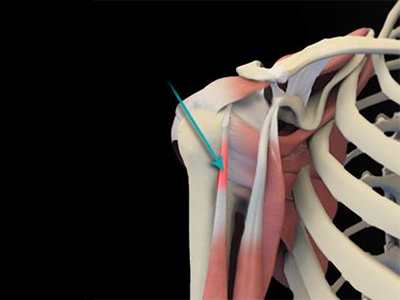
Tendonitis refers to the inflammation of a tendon, which is a band of fibrous connective tissue that attaches a muscle to a bone. Tendonitis can result from repetitive or overuse injuries and can occur during activities such as gardening, carpentry, shoveling, painting, scrubbing, tennis, golfing, skiing, and pitching. People with poor posture or those who avoid stretching before exercise are at a higher risk of developing tendonitis. Tendonitis can also affect individuals with rheumatoid arthritis, gout, psoriatic arthritis, thyroid disorders, infections, or an unusual medication reaction.
Who is at Risk of Tendonitis?
Tendonitis can affect individuals of any age but is more common in adults over the age of 40 years, as tendons lose their strength and elasticity with age, and become susceptible to tear. Tendonitis can affect any tendon; however, it commonly involves the shoulder, elbow, base of the thumb, hip, knee, and heel (Achilles tendonitis).
What are the Symptoms of Tendonitis?
The predominant symptom is pain at the site of the injured tendon. The pain may occur suddenly or develop gradually and may be severe. The motility of the joint, close to the affected tendon, may also be affected.
Tendonitis Treatment & Management
The initial treatment of tendonitis includes rest, avoiding activities that worsen the condition, application of ice to the affected area, and anti-inflammatory medications. Corticosteroid injections, physical therapy, and surgery may be considered if the symptoms of tendonitis persist and do not respond to the initial line of treatment. Depending on the severity of the damage, the healing period may vary from a few weeks to months.
Preventing Tendonitis
To decrease your chance of developing tendonitis, avoid repetitive movements; stop any activity that causes pain, and gradually increase your activity levels.
Contact your doctor immediately if you have fever, swelling, redness, and warmth to the area, multiple sites of pain, or lack of ability to move the involved area.